I just returned from a week in St. Louis for our annual Creative Freedom Retreat. I stayed an extra night after everyone left to do some of my own planning. One of the things I got very clear on is that doing more live events is part of my plans for 2025. Stay tuned for updates on Creative Freedom Live - a new event that will deep dive into the elements of my book!
I LOVE being in the room where the action happens... where the light bulbs come on for folks. Plus, there's a different kind of connection between folks who meet in person versus coming together on a virtual platform.
Believe me. I've experienced the differences personally - both as a host and an attendee.
While I get that not everyone can travel, and that not everyone is excited about doing live events, I still feel strongly that there's a lot more value in doing live, in-person events - including industry-specific markets and pop-up shops. These types of events give you the chance to build deeper connections and increase sales.
If you’ve been considering hosting or exhibiting at in-person events, here's my take on making it worth your while.

Many businesses put their focus into trying to market to online customers. That makes sense, because it's "easier" and can be more cost effective if you're blasting emails and social media messages out all day. But there’s value in marketing in the real world, too. There are plenty of uber-successful companies and creatives NOT using Instagram or TikTok to grow their businesses - and making bank to boot!
Beyond money, exposure at in-person events can be valuable, too - if the event is one where your best audience attends (if it's not, then why are you there?). If you're sponsoring a booth or stage time, you'll get the undivided attention of the folks in the room, which often leads to sales at industry events. It can also lead to new networking connections. I've walked away from events with sales, new leads, and new friends and colleagues.
And if it's YOUR event? You can curate an experience that can't be found anywhere else. You have control of the environment, any speakers or sponsors that you want to have, and a deeper intimacy with the folks who get to engage with your brand! That kind of brand experience has led several of my clients to become regulars at my annual event. It's not that they don't know how to do annual planning for themselves, but that being in community with other folks helps them get more clarity, make more confident decisions, and be ready to take more courageous actions for their future.
If you run an online business, then you might have an idea of the type of people who like your products, but you may only have a small sample size, based on folks who've found you and bought from you online. At an in-person event, you’ll have the opportunity to meet your customers face to face. Aside from getting to know your audience a bit better, this can also be a major boost for your confidence as a business owner. There’s nothing better than hearing people gush about how much they love your products! Plus, you'll have time to do a lot more recon when you can talk to them face-to-face. Learn about why they buy, why they don't, why they're willing to travel to see you, and what makes them choose you over the competition.
Unless you only offer a handful of things, you probably won’t be able to bring all of your inventory to an event, so select your best-selling items, or ones that best represent your brand. Think "wow factor" if you're in a vendor booth or presenting from the stage. Once people have that "wow" experience with your brand, they're more ready to make a purchase. Obviously, you’ll need a way to accept payments. Tap to Pay on iPhone is available here, which will make it easy for your new customers to pay for their goods. Finally, some branded materials (say, banners including your business name) can help to make your stand more visually appealing.
If you're hosting the event, you'll need to think about how to incorporate sales into your experience. I don't offer anything for sale during my annual planning retreat, but I do make offers when I speak from the stage or during other in-person events like book tours, concerts, or other live trainings. I almost always have books and CDs available at a merch table of some sort. If you've got event sponsors or vendors, you'll want to consider how they'll be able to make the most of their time. If they're not seeing a positive return on their investment, they'll probably skip your event next time.
Find (Or Create) The Right Event
Making sure the right people are at the right event is crucial for maximizing success. Get it right, and you’ll have a whole audience of people interested in your types of products. Get it wrong, and it’ll be a waste of your time.
If you're sponsoring or exhibiting, do some research to understand the target audience of the event you’re thinking of attending. For example, rather than just selling your clothes at a clothes market, try to learn the demographic that the event is for. If it’s for people who fall under your ideal customer profile, then go for it. Otherwise, take a pass.
If you're hosting the event, the same thing applies. Know your audience - and be able to communicate that to any sponsors or vendors you're trying to attract. Again, if they can't see an ROI from participating, they'll look elsewhere.
If you're looking for more insights into live events, check out these episodes of the Creative Freedom Show:
Not sure if events are the best marketing tool for you? Book a Next Steps Session and let's talk!
When you’re developing your brand, it takes a lot more than just creating a fabulous and memorable logo or coming up with a catchy tagline. A great brand makes a lasting, memorable impact in the mind of your customer. It's built on a combination of things, like strategic planning, consistency, and your brand stories - they "mythology" of your company, your found (YOU), and your offers. It doesn't happen by accident. You have to choose - and keep choosing - to have a great brand.
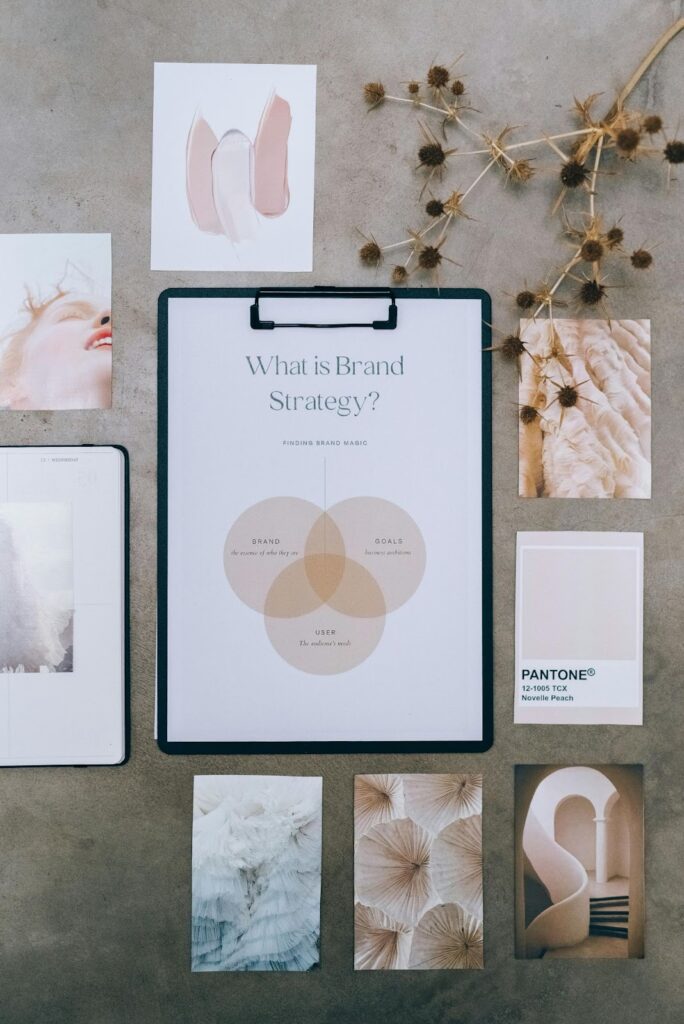
Most brands have a clear vision. Your vision basically outlines the long-term plans and aspirations for your business, so it’s a great way not just to explain to your customers, investors, partners, and others that you’ve got a plan and you know what you’re doing, but it’s also a wonderful reminder to you of what you’re aiming for in the end - sometimes it’s easy to forget. Part of that vision is private. Internal to the company stake holders (employees, team members, you). But the public facing part of your vision is often found in the form of a vision statement. It's one way (but not the only way) to communicate that vision to your Raving Fans.
When you’re building a brand, you need to have a consistent brand voice - that way, whether you use your branding on your website or you hire a sticker maker for some giveaway swag, you’ll be able to make sure everything looks the same and, crucially tells the same story with the same message.
That means you're not speaking informally on your website and then showing up ultra-professional in person. That creates a disconnect. It you say "y'all" on your website, say it in person, too!
One of the best things to do to keep your brand voice consistent is to be genuinie - especially as a personal brand. The worst thing you can do is create a persona for your brand that doesn't feel authentic to who you are. You'll feel imprisoned after a while - chained to a brand identity that doesn't fit you. If your brand is an authentic reflection of who you are and what matters to you, then you won’t have to keep remembering what you said or did or how things sounded; it’s easy to remember - because it's YOU... or at least the version of you that you want the world to know.
This is important: you don't have to air all your dirty laundry. You can keep some things to yourself. No one has a right to see every part of you (except you). YOU get to decide how to "shape" your public brand by deciding what you want the world to know.
That said, you never have full control of your brand because it's ultimately up to your audience. It's how THEY see you and the stories they tell about you that ultimately define your brand. As I often say, you can't control the outcome, all you can do is influence it based on how you show up in the world. That's actually a GOOD thing because if you're being genuine, you're attracting people who like what you're about and repelling the folks that don't.
A great brand understands how important it is to treat your customers well. Understand your market, do appropriate market research, get customer feedback, and engage with your customers to get a broader view of who they are and what matters to them.
When you know what your customers want, you’ll be able to tailor your products, services, and marketing efforts to meet their expectations - in ways that also work for you - and you can use your brand to tell them you know what they’re looking for.
Staying on top of trends, attending industry events, going to conferences, and so on - the more you can learn and implement, the better. That doesn't mean running yourself ragged, but it does mean having an idea of what's actually going on inside your market beyond your doors.
Of course, to stay relevant means you might have to make changes in your business, so if you’re really serious about making your brand great, being comfortable with the idea of change is a must. The only constant is change, right? Make calculated, strategic changes when it matters. It will help you stay relevant to the people that matter most to your business.
And it's okay to NOT be mainstream. In fact, most creatives aren't. They've found their own path forward and that's half the reason their audience loves them. Let your audience love you and your brand, too!

Being in business is honestly one of the most challenging things a person can ever do; it’s not easy stuff in the slightest! One day, you’re on top of the world, sketching out big plans like your marketing strategy, and the next, you might find yourself drowning in to-do lists. That initial rush of excitement can quickly give way to the grind and that's exactly when many new business ideas begin to lose steam.
Running a business in the early stages (or launching a new initiative in an established one) can be particularly tough. Staying motivated is crucial—not just for ticking off tasks, but for keeping your spirit alive through all the ups and downs. AND THERE ARE A LOT OF UPS AND DOWNS!
The truth is, you can't expect to always be "on" and have the best attitude - sometimes, when things go off the rails, it's demotivating and really sucks! But when the temptation to just say “screw it” and stop might be tempting, having ways to stay inspired and motivated can help you re-focus and get back on track to turn your dreams into reality.
Remind yourself why you started on this journey. Whether it is the desire for financial independence, a passion for your product, or the drive to solve a problem, keeping your core motivation at the forefront can reignite your enthusiasm during tough times. Lizzo slept in her car in order to stay in the place where she could make her musical dreams a reality. I'm not saying you need to do that, but it's important to place your dreams and realities into perspective and be honest about why you're doing what you're doing and what you're REALLY willing to do to see success.
Instead of a traditional to-do list, keep a 'done list' - I call it a "Ta dahh!" list. It's a place to document everything you've accomplished at the end of the day. It’s about feeling accomplished at the end of the day, not focusing on what else you need to do today and for the rest of the week. It doesn’t really matter if it’s big or small. Did you launch a new program today? Ta Dahh! Set up your website? Ta Dahh!" Complete your EIN registration with a federal employee identification number filing service? Ta Dahh! It's DONE! Celebrate!
A day of doing nothing? How exactly could this even help? While this might sound counterintuitive, occasionally allowing yourself a guilt-free pass to relax and recharge without any pressure can prevent burnout. Basically, it’s just a break, and you deserve to give yourself a break.
In my first marriage, I had a "leave me the eff alone day" every quarter. I'd leave in the morning and come back whenever I felt like it. Don't call me. Don't try to find me, because even I didn't know what was going to happen that day. Sometimes I just went to the park for a few hours and came back home. Other times I left town completely. It just depended on where my head was at and what I needed to refill my bucket.
Now, I have structured "uncontaminated time" in my calendar. That's a term I learned from Breanne Dyck that I've shared with my own clients. If your calendar is so full that you don't have time for NOTHING, it's no wonder you're struggling with motivation.
It can be a nice way to decompress and really let go while staying motivated. So, ideally, it’s a good idea to set aside regular time slots each week just to think. You’ll want to use this time to step back and look at the bigger picture, brainstorm new ideas, or reflect on what is and isn’t working. This can prevent you from getting bogged down in day-to-day tasks and help you stay focused on strategic goals. It’s also a good idea to gain more mental clarity.
Believe me, I understand that there are times when it feels like you just can't pull away or the house of cards will collapse. That's the MOST important time to step back. because you're building something that's not sustainable. Sure, there are times to hustle, but those times need to be the exception, not the rule. If you need support figuring out how to have a business that works for how you're wired to work and gives you a sustainable path forward - with time off for doing NOTHING - book a next steps session and let's talk!
When you’ve been running your business day in, day out for years on end, it’s easy to let things slide and become a little uninspired. Think back to when you first thought of your business idea: all you were thinking about was how to get things going. You also thought about the money, the lifestyle, and all of the other perks that come hand in hand with owning your own business.
But, when it actually comes to it and you’ve built this business model, you realise how much there actually is to think about, and your whole life becomes centred on making sure that what you’ve already built stays where it is. The problem with that is that while your business might still be making money, it’s simply not going anywhere. And, you might be feeling too afraid to take that next step to make things exciting again; not just for you, but for your customers as well.
If you really want a business that stands out from the crowd and excites people, you have to be brave enough to take those steps!
Not sure where to start? Here are a few thoughts on how you can breathe a new life into your business.

Rebranding is a big step, and it’s something that many small businesses steer away from because it can become confusing to your customers. If you’re already struggling to keep up with the brand you have in place at the moment, you might be wondering how rebranding might benefit your business.
When I approached Tracy at Digivisual Design to work on my gorgeous new website rebrand, I knew it was time for an upgrade. The old red an blue with animal prints was fun, but it didn't reflect the more sophisticated (dare I say elegant?) appearance and approach I was taking in my business. It didn't accurately attract the kind of clients I wanted to attract, either, which was a BIG clue. We'd already done some preliminary work around my mood board for what I wanted the new website to be like, and that laid the foundation for a solid rebrand.
So, if you know that your branding isn’t working for you - or you don't even HAVE a brand, but you're swimming in a sea of Canva templates and changing out colors - then this is something to consider. Think about it this way: if you re-emerge as a business that’s bright and beautiful with new ideas and products to bring to the table, then you’re bound to attract more attention. If you’re bland, rebranding is a good choice to consider.
Rebranding isn’t always easy, especially if you don’t have the mind for design and creation. If hiring a pro isn't in your budget yet, talk to Tracy. She has a DIY course that can help you create something inspiring pretty quickly.
If your branding is strong, it could be your client experience - either with your offers, or with your company. Sit back and think, what kind of experience would you like to have if you were looking for the same things your customers are. There’s a good chance that doing this alone will give you plenty of ideas on how you can switch things up to be more enticing for your customers.
For example, if you run a local pharmacy that simply doesn’t seem to be getting the customers that you used to, then what is it that you’re missing out on? You could consider adding in a consultation room for patients that need privacy, or you might implement patient adherence solutions so they can keep on top of their medication. There are ideas galore out there to improve your customer experience. Maybe it's time to explore some new options!
You might also benefit from looking at what your competitors are doing - but with a caveat.
This isn't about making yourself feel bad about what you're NOT doing or how they are somehow so much better or farther along than you are. Instead, use this as an opportunity to see what you can do that they can't or a way to do something even better. You might even spot a gap in the market and bring something new to the table that nobody else is doing in your industry. When I launched the Incubator years ago, there was no one else in the coaching world offering it. Now you see "incubators" popping up all over the place for creative entrepreneurs (still none with our pay-for-results model!). When you can offer something new and exciting, customers that need that difference will choose you.
Also, if the fear of rejection has stopped you from releasing a product or idea into your business, then now is the time to take that leap. It might just be the one thing separating you from your competitors and it could take you from zero to hero in your industry.
When the going gets tough, sometimes the best thing to do is get out of the space you’re in and start fresh. In fact, there’s a good chance that if you’ve ever struggled with a situation in your life, all you could think about was escaping from the space you’re in and never looking back. And, the same goes for your business.
Like with your personal life, the thing that’s holding you back might simply be your location; the benefits you’ll get will be the same! If relocating your business is something you want to consider, you need to start thinking about being in business central, where your brand is more likely to get the business it needs. You need to think about larger cities and the benefits that will come hand in hand with this.
Of course, moving to the city might mean uprooting your life, but if there’s nothing holding you back in your personal life, then what’s stopping you? It might take a lot of guts to do this, but if you do, the benefits will be worth it, especially if you’re currently situated in a small town that doesn’t get much tourism at the moment.
All you’d need to do is find a place that suits your business, in an area that would likely suit your industry too. Using the pharmacy example again, you could find a space where there are lots of other medical establishments nearby so that you become the new “go-to” pharmacy. Of course, this might not apply to your business, but the premise is still the same.
You’ll also need to consider the needs of your staff too; you don’t want to end up moving somewhere that nobody can get to. Some staff might be willing to relocate with you, whereas others may prefer to commute or work more of a hybrid role if possible.
Relocation doesn't just mean physical... although it can. I've moved 5 times in the past few years and, while it's been a lot, it's also put me in the place where I am today. Relocation can also mean your online assets. We consolidated our community and learning areas into one place. We've migrated to a new mailing list service provider. Those moves weren't easy, took some work, AND were totally worth the effort.

One of the best things you can do for your business is making sure that you’re communicating with your customers in the right way. But ask yourself; are you already doing that? If the answer is no, you’re not alone. In fact, it’s often an area where businesses fall short, which is why so many companies around the world have a really bad reputation when it comes to customer service.
You already know how important great customer service is and that it should always be in practice with you and your staff, but actually doing it is easier said than done, especially if you have rude or difficult customers. However, making sure that you’re polite, helpful, and take prompt action on customer complaints will help you stay on top of things.
Sometimes though, it’s not just about customer service, it’s actually about what you can do on a deeper level to make sure that you’re targeting the right people for your business. For example, you could take the time to use a testing platform to encourage the right customers to come forward to your business and introduce you to the right kinds of people you should be aiming your marketing efforts at.
In fact, user testing is something that many large businesses use, and taking the results of it could have a seriously positive effect on your company, so it’s definitely something to take into consideration.
Finally, if there’s one thing you want when it comes to gaining and keeping customers, it’s to be a loved brand. And to do that, you’ve got to be loyal. This means you have to be consistent in everything that you do all while being the best at what you do. There’s not a single customer out there that will say that they don’t like consistency when it comes to businesses they’re dealing with, and they love it when a company goes the extra mile to help them.
If you can master that side of things, you’ll have a brand that’s lovable, a brand that people immediately think of when they need your products and services, and you’ll have a brand that’s as successful as you’ve always dreamed of.
Remember, the sky's the limit, and while big business decisions can be scary, the simple fact is that your business isn’t going to go anywhere if you don’t make those decisions and act on them. Bring your business back to life with these 5 amazing tips!
Whether you are established and looking to grow your business, or you are just starting to think about the future of your company, your market matters.
Regardless of your industry, your market needs to be big enough to support the health and wellbeing of your company. The larger your company, the larger your market needs to be (because you'll need more money to pay those bills!). Sometimes that means you'll need to broaden your audience and serve a different "slice of a slice" in order to get that market coverage. Apple started as a computer company and has diversified over the years into music and media to serve a larger market. You may not be the next Apple, but it might be time to broaden your market reach. If so, read on!

If you are keen to find a broader market for your business, here are a few ways to reach more people:
Widen Your Niche
I know. Business coaches like me tell you to "niche down" and focus on one thing (or one collection of things). That's to help you gain momentum and traction in a market. When you're clear on who you serve, it's easier to create marketing that resonates. But once you're established, or if you truly do have a wider market potential, it makes sense to open things up a bit and serve more people.
Here's a pretty basic example: I taught direct sellers for years. That was my niche. But folks that weren't direct sellers kept showing up to my training and, eventually, I had a throng of non-direct sales business owners that made up an entirely new market for me. Over time, I shifted almost completely away from direct sales-specific training, and had a wider focus on entrepreneurship for creative entrepreneurs. And even now, I'm shifting my focus again to micro business owners who know they want to be the celebrity in their niche. It's a wider audience than just creative entrepreneurs, even though it's a much more focused area of support.
Start to explore the sub-realms within or alongside your niche. Leverage the audience you already have, if possible. If you're a photographer, for example, maybe instead of doing just weddings, you'll also do boudoir. You're widening your offerings to attract a slightly different audience, but an audience that probably overlaps at least a little with the folks you already serve.
Bring In More (Web) Traffic
Whether you've got a brick and mortar location or you're solely online, having more of the right people coming through your "doors" means the potential for increased sales and repeat buyers.
Physical locations make a difference (location, location, location!), but so do the ways you invite people to those locations. What kind of attraction marketing are you doing? Are you partnering with nearby shops to capitalize on traffic already in the area? There are a variety of ways to bring more bodies into your establishment. What are you currently doing and what needs to change? Hiring a marketing agency or a business coach can help (ahem. hint hint, nudge, nudge!).
In the online world, you may want to use a professional SEO agency like Big Surf Digital to help you to bring in more web traffic. You can also do your own bit towards increasing traffic - including creating compelling content that is going to draw people in.
With more web traffic comes a broader audience and greater opportunities for sales, so this is something that you will certainly find useful to focus on.
Partner Up
Sometimes, a very effective way for a business to broaden its market share is to actually partner up with another company. It goes without saying that this other company won’t be a direct competitor, but one that is working in a similar kind of area of work, and in such a way that you should be able to work together towards similar goals. Think: a tax accountant who has a referral relationship with a financial advisor. With the best partnerships, you end up in a situation where you are going to both benefit much more compared to being alone.
Be choosy about your partners and who they are, but it’s the kind of thing that can help grow a business more quickly because you're leveraging the power of the networks of TWO businesses, instead of one!
Sell A New Product
Like the Apple example above, sometimes it’s as simple as just trying to sell a new product and seeing how that fares. Don't spread yourself too thin - that's the issue that often happens when someone tries to sell a bunch of different offers right out of the gate in a new business! Instead, think of another offer you might sell that's a logical "next step" for your existing audience and start putting it out there. You might find that this is enough to start things growing again.

Photo credit: Unsplash
Looking for better ways to manage your business and keep things under control?
Easier said than done! You need to identify the best ways to make your business more manageable - and it's different for every business. But here are five tips to prime the pump.
Sometimes you have to design things yourself. That makes sense if you're a small business and you're floating a first-time idea into the world. No need to plunk down a ton of cash on a design you're going to change later anyway. In fact, my designer, Tracy, has a quick and easy e-course to help you get your logo looking awesome for less if you're still in DIY mode. But for your core brand pieces, designing yourself, is often time-consuming and ineffectual. You want brand materials that will benefit your business. Even having a designer build business templates for you can help improve how you run your business. You'll have a brand-standard way of getting your message out without spending too long developing them yourself.
As your business grows, you'll hire more people to handle the workload. But you won't do well hiring any old warm body off the street. You may need to design a hiring process that ensures you hire the best candidates every time. They should understand what you want for your business and be ready to offer as much as possible to help it achieve and exceed its goals.
There are some issues you may not be able to handle in-house, especially as your customer base grows and you experience more demand. Rather than risk falling behind your competition, leave it to agencies to automate and operate your marketing needs. You can work with an email marketing platform to maximize reach and exposure to maintain customers and obtain new ones. Additionally, working with outsourcing companies for written content and other essentials will enable you to focus on parts of your business that require more attention.
Toxic company cultures can severely impact how productive your team is. Although you hope everyone will be professional enough to put differences aside for projects, this is not always the case. Therefore, encouraging a positive company culture and fixing any issues between your employees is vital. You need to be on the ball with what’s happening within your office and create an environment where people will happily voice their concerns without fear of reproach. The more communicative your office is, the easier it will be to keep everyone on the same page.
Finally, all entrepreneurs must learn to control their budget by setting goals and tracking expenses to ensure they can improve overall management. While you can’t be too stringent with costs, you shouldn’t overspend, as this can put your company in a precarious position. As long as you make the best investments in equipment, people, and marketing, your company will thrive as expected.
You can always find better ways to manage your business and ensure things run smoothly. Focusing on these critical areas will make everything else much easier, which puts your business in a better position to achieve its goals and achieve success.

Whether you're a new business or you've been around a while, achieving some level of established growth is an important ultimate goal for most companies. To get there, however, you need adequate research, proven strategies, and targeted actions to produce results. You must connect deeply with your audience and seek to understand and fulfill their needs - in ways that only you can. Ways that make you the obvious choice for what you offer. Since competition is rampant in every industry, it is important to stand out fiercely and ensure you capture the attention of your market. Here are some effective techniques to achieve success.
Affiliate marketing has been popular for some time, as it is an effective marketing strategy for growing your business. It has introduced a new way of promoting your products and services digitally. To put it simply, it involves collaboration between you and other businesses to advertise your merchandise in exchange for a commission whenever there is a sale or lead. One of its main advantages is that you don’t have to spend a lot of money as opposed to traditional marketing techniques like advertisement campaigns. This is because it is a performance-based model which allows you to only pay when there is an actual lead or sale.
Although blogs provide valuable information, they also help businesses stand out as an authority in their industries. If you have a website, adding a blog to your website can help you drive traffic, build your brand and showcase your expertise. Consider sites like sofiaseo.com to hire SEO experts who will employ the right keywords to attract your target market.
But... SEO tools are only part of the picture. Curate quality and useful content that can educate, inform, and attract your consumers. Because if it ain't quality, people ain't payin' attention!
Branding lets the world see your business personality. Brand is more than a logo or marketing slogan, it's the stories, perceptions, and ways your company influences emotions. How your audience views your business is important! Personality matters! Can a customer decipher who you are and what you represent through your brand materials? Do you hav a consistent "look and feel" in all your marketing across all your platforms? If not, you may need to hire help. I lean on Tracy Lay at Digivisual Design for all my branding help. Don't be afraid to change your brand strategy when needed. I've gone through multiple iterations over the years because I have changed. The same may go for you, too.
It is vital to get into the space of marketing through high-quality content that grasps the attention of your market and provides valuable information. Video marketing has become an innovative way to tell consumers about products and services through storytelling. For instance, if you sell makeup products, you can tell a tale of how applying your products have helped women feel beautiful and gain confidence in their looks. This will appeal to people who want to get a confidence boost and encourage them to buy from you. Ensure you invest in a good camera and brainstorm on creative advertising campaigns so you can stand out.
Word-of-mouth is one of the most powerful techniques that can increase your profit and elevate your company. First, you will need to provide top-notch goods and services as well as great customer service to your pre-existing consumers. Doing this will motivate them to tell others about your business and build your clientele. You can also offer incentives like discounts, freebies, or start referral programs that urge repeat consumers to refer your business for rewards. Apart from being effective, referrals can help you save money and expose your company to new opportunities and markets.
Growing a business requires a collection of strategies and practices. With these types of marketing techniques, you can propel your company to great success.

Image Credit: Nastuh Abootalebi from Unsplash.
Business security is an area every company needs to look after. While every entrepreneur already knows this, many don’t put enough time and effort into it. They’ll often just do the basics, which mightn’t be enough.
You’ll want to make sure your business is properly protected, after all. Once you do, you can potentially see benefits like:
And... it doesn’t need to be nearly as overwhelming as you think. Instead, it’s a matter of being practical about it.
Every company has its risks, with some of these being relatively obvious. Others wouldn’t be, however. Instead, they can be easy to overlook, despite how much they can threaten your business. You’ll need to know about these from as early as possible to keep your business safe.
Perform a risk assessment to figure all of this out. Not only does this tell you what risks you’re likely to come up across, but how likely you are to run into them. With this in hand, you’re in a much better position to figure out how to mitigate and overcome them.
Thieves and other malicious actors always scan for places that look unprotected. If a building looks dark, especially at night time, then they see it as more of an opportunity. Don’t let that happen with your business. Put up external lights, and these can act as a deterrent for potential thieves.
Even ones equipped with motion-detection can be a great help. You’ll be less likely to have any robberies or other circumstances during the night. It’ll even keep your employees safer if they have to leave the premises during the later hours. You’ve no reason not to put the effort into it.
You’ll bring in quite a bit of data as your company operates. A lot of this could be vital to operations, so it’s worth protecting it at all costs. Making sure your systems can’t get hacked is a great start with this, but it’s often worth doing more than that.
Systems could come down at various points, risking your data. There are tools, like Office 365 DLP by Spin AI and other sites, that can help make that one less thing to worry about. While you’ll still have to put time and effort into securing things on the front end, you’ll be in a much better position going forward.
You’ll already know you’ll need some basic protection when you’re trying to improve your business security. One of the first things you should do in your physical space is set up appropriate alarms and camera surveillance. Even in a home office, they can act as a deterrent for any thieves that try to break in. Then, if anything does happen, you’ll have footage of it, and the authorities should be immediately notified.
If your business premises has a car park, then make sure you don’t overlook its security. The external lights mentioned above can be a great help with this. They’re far from the only things you’ll need to consider when you’re looking after it, though. You could implement a few other measures.
Ideally, you’ll want to keep unwanted intruders out. Parking barriers, gates, and similar options can all help with this. With employee badges, you can make sure only the people supposed to park in the car park can. It’ll improve your business security quite a bit, making it worth the investment.
You’ll always need to keep your company as safe as possible. For many people that seems complicated, and they’ll often just do the basics and leave it at that. Don’t settle for that. Improve your business security as much as you can, and you shouldn’t have anything to worry about.
The benefits of putting the work in outweighs the time and effort it’ll take. You could even end up saving money because of it. You’ve no reason not to put some time and effort into making your company as safe as possible.
Time management. If you've been in my world for any length of time, you know that I believe that you can't really manage time. Time marches on whether we want it to or not. Instead, I try to be intentional about where I invest my time so that I get the most bang for my buck, so to speak.
That's one of the reasons I love me a good template. Why reinvent the wheel when templates can do most of the heavy lifting for us? From tax invoices to pitch decks, a template keeps you from staring at a blank page and often gives you a helpful starting point. And if it's a fill-in-the-blanks style boilerplate, that can make life even easier.! Here are five time-saving templates you'll want to keep on hand in your business toolkit.

Photo by NordWood Themes on Unsplash
Every successful venture begins with an effective business plan. However, staring at an empty document and wondering where to start can be daunting for any entrepreneur. But business plan templates provide an easy solution. They offer predefined structures for outlining goals, market strategies, competitive analysis, financial forecast and more - saving both time and ensuring no essential details are missed out! Plus they're an essential step toward convincing investors your concept is worth their investment!
How many times has a company asked you for a formal invoice even if you accept electronic payments like Paypal, Venmo, or Cashapp? I don't get them very often, but when I do, an invoice template makes life easy. I just plug in the details for the transaction and send it on over!
A tax invoice template is a standardized document used to record sales transactions and their related taxes - like invoice number, client details, description of goods or services sold or provided, tax applied amount applied to the total amount paid, as well as any additional important details. Plus, if you need to report sales tax, you've got a "paper trail" come tax time. We may not use them a whole lot in digital commerce, but they're still a very much-needed tool for your business. A template makes it easy to just pop in the necessary information and stay on-brand in the process.
Whether you're building out a presentation for a webinar or convincing investors to support your start-up, pitch deck templates come in handy to showcase your vision, mission and/or business model in an accessible format. These templates provide a framework for crafting an engaging story about your business, covering key points like problem statement, solution, market size, business model, competitive advantage, team composition and financial projections - and they can be customized for any kind of content. They help maintain an logical flow for your pitch deck, ensuring it is cohesive and convincing to potential investors. A well-prepared pitch deck could mean the difference between walking out with an agreement and leaving empty-handed. So use these templates now and start crafting your winning pitch!
Having a groundbreaking product or service is wonderful - now how will you reach the target market with it? That's where a solid marketing plan comes into play. Marketing plan templates provide a structured format for outlining your marketing strategy, outlining key components like target audience analysis, marketing objectives, promotional strategies, budget allocation and key performance indicators. These templates will guide you through the process of planning, executing and measuring marketing campaigns to reach your target audience efficiently and effectively. Remember that an effective marketing plan can be your ticket to startup success - grab these templates now to begin plotting out the path towards market dominance!
As part of an entrepreneur's toolbox, email templates are an essential piece. As an entrepreneur, your inbox is always buzzing with activity! From engaging potential investors to communicating with customers, suppliers, and your team - emails play a pivotal role in daily operations. However, writing each email from scratch is time consuming and inefficient - enter email templates! These preformatted outlines simplify your correspondence by streamlining various scenarios like sales pitches, customer service responses, team updates and investor communications. By keeping to consistent professional and precise language while saving time - time being money! In today's fast-paced entrepreneurial world, don't allow tedious emails slow you down; use email templates instead and supercharge your communication!
Entrepreneurial life is no cakewalk, so templates can help ease the strain by providing an outline. Templates serve as guides rather than gospel. Use them as springboards to develop content that represents your brand and vision - not simply copy and paste from someone else. Remember the key here is working smarter not harder! Anything that streamlines your efforts and frees up your time can make a big difference in the workflows of your business.
Delegation can be a royal PITA. As a solo or micro business owner, it's not always as easy as passing a task to someone else in order to get it off your plate. If you're a Fusion Creative, it's very often true that you can do it yourself faster.
But faster, in this case, isn't always better. If you don't slow down once in a while to train someone else to do those tasks, you end up holding the bag on EVERYTHING.
Um... no thanks! We're all about Creative FREEDOM over here!
Not every single task can be delegated. Some work is strategic or critical to your business and may require your personal attention. Evaluate both the performance of the work and then the implications that come with delegating it. I generally encourage folks to start with the tasks that, if they fell through the cracks, wouldn't destroy the momentum of the business. I start most of my VAs with tasks that aren't time sensitive. That way, if I need to pick up the slack or find someone else to do that work, I've got plenty of time. If they prove capable on those tasks, we move on to more "mission critical" activities.
Generally, if a task is recurring or duplicatable, that's a good place to start: scheduling media, data entry, etc. If you can create a 'how to recipe' of the steps involved in doing a task, it's something you can probably delegate relatively quickly. If you work in construction, a BuildOps glossary can be useful. A process doc is a great place to start keeping track of the steps involved in completing the tasks inside your business. Once you've done the task from the process doc a few times to work out any missing steps or bugs, then you can pass that task on to almost anyone to accomplish because all they have to do is follow the "recipe" to get the end result.
There's a difference between delegating a task and delegating an outcome. You need to learn how to let go and trust your team member to get the desired end result - even if they find a better approach than YOUR process doc to get it done! If you don’t, then you may find that it harder to delegate in the long term. Delegating tasks means you still need to follow up and check their work. Delegating the outcome means they're responsible for flying the plane and it's up to them to make sure it's done right - without you checking and approving everything.
That can be very uncomfortable when you're dealing with time-sensitive tasks... which is why I start my team with tasks that don't create that kind of pressure from the onset. It takes time for your team to learn your approach, just like it takes time for you to learn how to effectively delegate. In the same vein, some team members may take time to get work done, and you might even be able to do it faster. That doesn’t mean you should take care of it yourself though (not at first, anyway), it just means that you need to take steps to give your team more training going forward. If they can't pick it up in a reasonable manner, then it might not be something you can delegate just yet.
Understanding your priorities and the difficulty of your tasks will make things easier. If something is a high priority then this means that it has to get done soon, whether it is by you or by someone else. Depending on the work, you can then decide to take care of it yourself or to delegate. The best way for you to try and clarify your priorities would be for you to connect your work to your team goals, and your company goals. It will then become easier for you to make decisions moving forward.
Efficient delegation has two elements, which involve delegating work to teams who have skills in that particular area and giving people the chance to work on new skills. Make sure you understand what your team's goals are. Host some 1:1 meetings to get a better feel for what your team is up to, their personal dreams and goals. When jobs align to those goals, team members are often more committed to doing the work - because there's a bigger benefit to them than just compensation.
When you hand off work to other people, you have to make sure that you are providing clear context. You have to set the other person up for success. This includes helping them to understand how to get the work done and also the due date for the task. You should give them the tools they need to get the job done and the priority of each segment. By doing this, and by explaining the outcome you want, you will soon find that it becomes easier to get things done. Keep in mind that the work may be easy for you to do, but it might not be easy for someone else. Try and take the time to walk everyone through the assignment and then answer any questions that they may have. This will ensure that everyone on the team is set up for success.
Invest in Training
There may be work that nobody in your team can do but you. Some managers think that they cannot delegate work at all, but depending on the priorities you have, it may be better to train other people to do it. You have to remember that training takes time, and although it is tempting to do it yourself, it is a good way to protect the future of your business. Part of training someone else how to do the work will give them the space they need to solve problems.
Prioritize Feedback
When you are training someone, you have to prioritize feedback and you also need to ensure solid communication. If you don’t then you may find that you end up struggling more than you have to and this is the last thing you need. Ask for feedback too. By asking your team if there was anything that you could have done better, you can then go ahead and delegate more efficiently in the future. As you coach people through work, make sure you aren’t spending too much time on it. Instead, focus on the end goal and then give your team members the chance to come up with their process. You never know, this may help you to be more innovative going forward and it might also help you to become a better business owner overall. If you can keep things like this in mind then you will soon find that it is easier for you to move forward with a much more positive and productive attitude.
Delegation can be easier than you expect if you take it slow. Sometimes you get lucky and someone can just take everything off your plate like you've cloned yourself. More often, though, it's a slow, steady process to bring the right people onto your team and help them get up to speed. You can do this. Just commit to one task at a time, then outcomes, and eventually, you'll be able to step away from the tasks entirely!