
Jump in the wayback machine with me to 1999. Britney Spears told us to "hit" her one more time, The Matrix had us questioning reality, everybody was worried Y2K might break civilization, and we were tying up the phone line to hear our computer tell us “You’ve got mail!”
The dot-com boom was in full swing, and suddenly everyone needed to get online. Fast. Online pharmacy was becoming its own little gold rush. Seattle-based Soma.com had launched in January. Drugstore.com followed soon after, backed by some serious players, including Amazon.
But Walgreens wasn't there yet... and people noticed.
That March, Wired reported that Walgreens was experimenting with a partnership that would let customers buy their products online through an online grocery store while they continued developing their own e-commerce site. One analyst suggested the experiment might help Walgreens "catch up" with everyone else.
Then, the competition started making bigger moves.
CVS bought Soma.com for $30 million in May. It was called an "instant edge" and a "first-mover advantage" that would put CVS ahead of their competition. A month later, Rite Aid bought a 25% stake in Drugstore.com. The online pharmacy landscape was already taking shape and Walgreens still looked like it was getting ready.
From an outsider's perspective, Walgreens was taking FOREVER. But they weren't sitting around doing nothing. They were experimenting and learning about what was possible, making small bets and plotting carefully so that they could make the best next move.
They say hindsight is 20/20, but more than 25 years later, it sure looks like Walgreens made the right call.
Technology's changed, but the pressure hasn't.
Now it's AI, data centers, or whatever technology "is going to completely transform" our business by next Tuesday.
Somebody's already adopted or launched it. Someone else is already building the infrastructure and benefitting from the efficiencies. Some Internet marketer has an e-course to sell you about it. And they're all trying to convince you that "if you don't get moving RIGHT NOW, you're going to be left behind!"
I mean, maybe. But sometimes the one that runs the fastest is just the first one to go over the cliff. And when everybody around you is moving at breakneck speed toward whatever's "next", situational awareness can look an awful lot like falling behind.
When the world changes quickly (which is all the time now, right?), leaders absolutely need to be able to respond quickly. But speed doesn't reduce the need for clarity. It increases it. The faster your environment changes, the faster your assumptions can become obsolete.
We're watching a version of this play out right now, about an hour from where I live.
In September, the Woodburn, Oregon's City Council unanimously approved a 120-day moratorium on new data center development. But Woodburn doesn't currently have a data center application to consider. They're stopping to understand what a data center would require of them before they have to decide whether to approve one.
There are considerations on both sides of this issue. Data centers have a significant economic footprint in Oregon, supporting jobs, business spending and economic activity. But they can also place substantial demands on electricity and water. And then there's the noise. Residents near a Michigan data center are filing a lawsuit, it's so bad.
Woodburn City Manager Scott Derickson said that one data center could potentially require more water than the city can provide. City officials plan to use the moratorium to examine environmental impacts, regulations and quality-of-life issues.
They're "pulling a Walgreens"!
They may eventually decide to welcome data centers. Or not. That's not the point. What's important is that they're trying to understand what saying yes would actually require before there's a deal on the table creating pressure to say it.
That's preparation - taking the time to really dig into your Conditions for Success.
Every consequential decision depends on conditions that must be true for the decision to produce the result you're looking for. Some of those conditions are obvious (a data center needs enough electricity, water, and land to run it). But consequential decisions usually depend on less obvious conditions, too.
In my work, I look at Conditions for Success across seven Domains of Influence because the things that affect a decision aren't always controlled by the organization making it.
You can control some things; you can influence others. The farther those conditions move outside your sphere of control, the less ability you have to determine what happens next. Sometimes all you can do is monitor what is happening and adapt.
That's why identifying your Conditions for Success isn't simply a planning exercise. It's an exercise in situational awareness.
Ideally, you identify your Conditions for Success before you make a consequential decision, like Woodburn is doing. But things change after decisions are made. We see it all the time. It's not an "if" it's a "when".
Political environments change. Competitors make moves you didn't anticipate. Weather happens. The Conditions for Success that existed when you made a sound decision often disappear later. That means you have to be vigilant and keep monitoring conditions. It's not a one and done kind of thing.
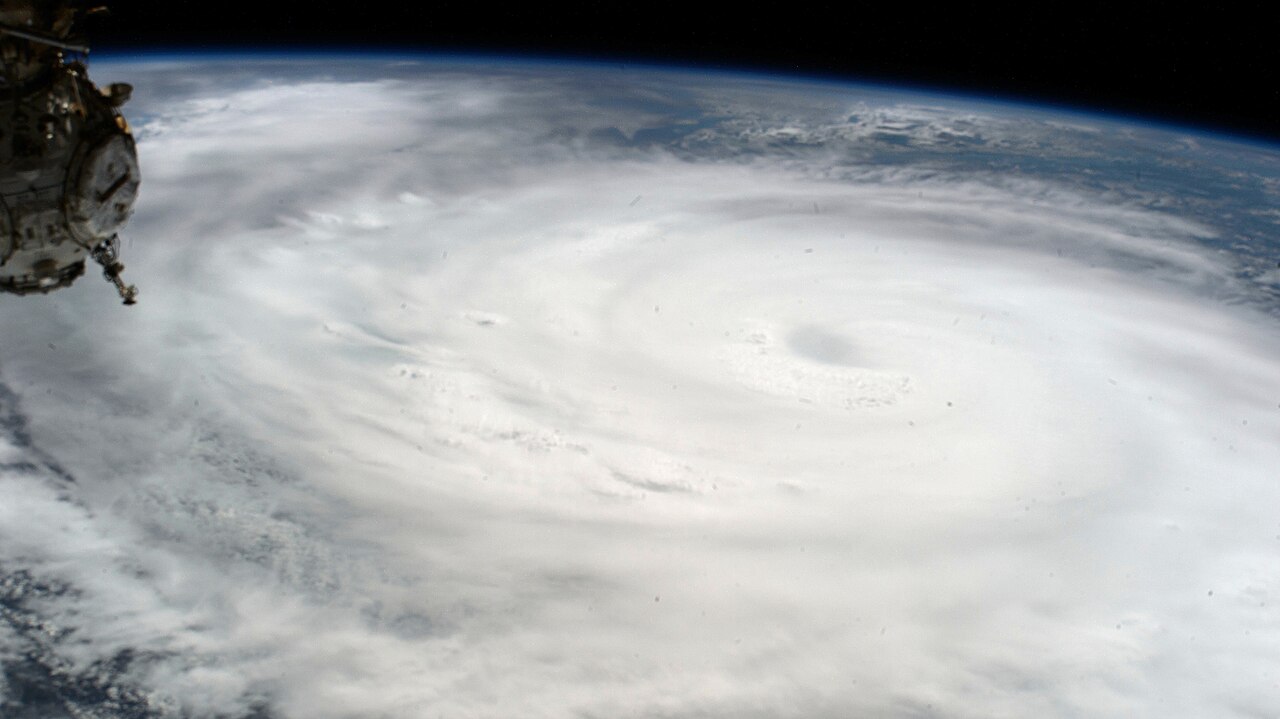
In September, 2024, Hurricane Helene made landfall in Florida, but western North Carolina had already been getting rain. The ground was saturated and rivers were running high before Helene dumped even more water across the mountains. Nearly 2,000 landslides were eventually documented across the region.
Bridges were wiped out. Roads washed away. Entire communities were effectively cut off.
You don't argue with the river, standing there saying, "But it was dry when I got here!"
Circumstances have changed and you need to figure out what you can control, what you can influence, and what you need to adapt to. Long term, maybe, you can talk with community leaders about flood control, rebuilding differently, or changing where development happens. But when the river's rising, you move your ass to higher ground.
You can't control whether the rain continues. You can recognize that the conditions you were counting on no longer exist and act accordingly.
We tend to celebrate leaders who stay the course. Have conviction and commit. And yes, conviction matters. But conviction has to coexist with situational awareness. Otherwise, it's just stubbornness.
Two things can be true at the same time. You can remain committed to innovation while deciding you need more information before investing millions of dollars. You can remain committed to an outcome while changing the mechanism you're using to achieve it.
Or, like the people of Woodburn, you can remain committed to growth while discerning if a particular opportunity requires resources you can (or can't) safely provide.
The question isn't whether you're brave enough to stick with your decision. It's whether or not you're paying enough attention to know when reality has changed around it.
When everything is moving faster, the answer isn't just to make decisions faster. Leaders also need to get better at recognizing which decisions require speed and which require more clarity before momentum makes clarity harder to find.
Before you commit to a consequential decision, ask your people these two questions:
Once you're moving, keep asking:
Are those things still true?
And when something changes ask these two questions:
That's not an invitation to endlessly research a decision because you're afraid to make it. And I'm not saying that slow is inherently better than fast. Speed matters.
Walgreens eventually got online in 1999 (the same year as their competitors). Woodburn's moratorium is for 120 days, not 120 years.
The point isn't to move slowly; it's to know enough about the landscape you're working on to understand how you need to move. Being first means nothing if you don't know where you're going. And it's even worse if the person running fastest is simply the first one to go over the cliff.